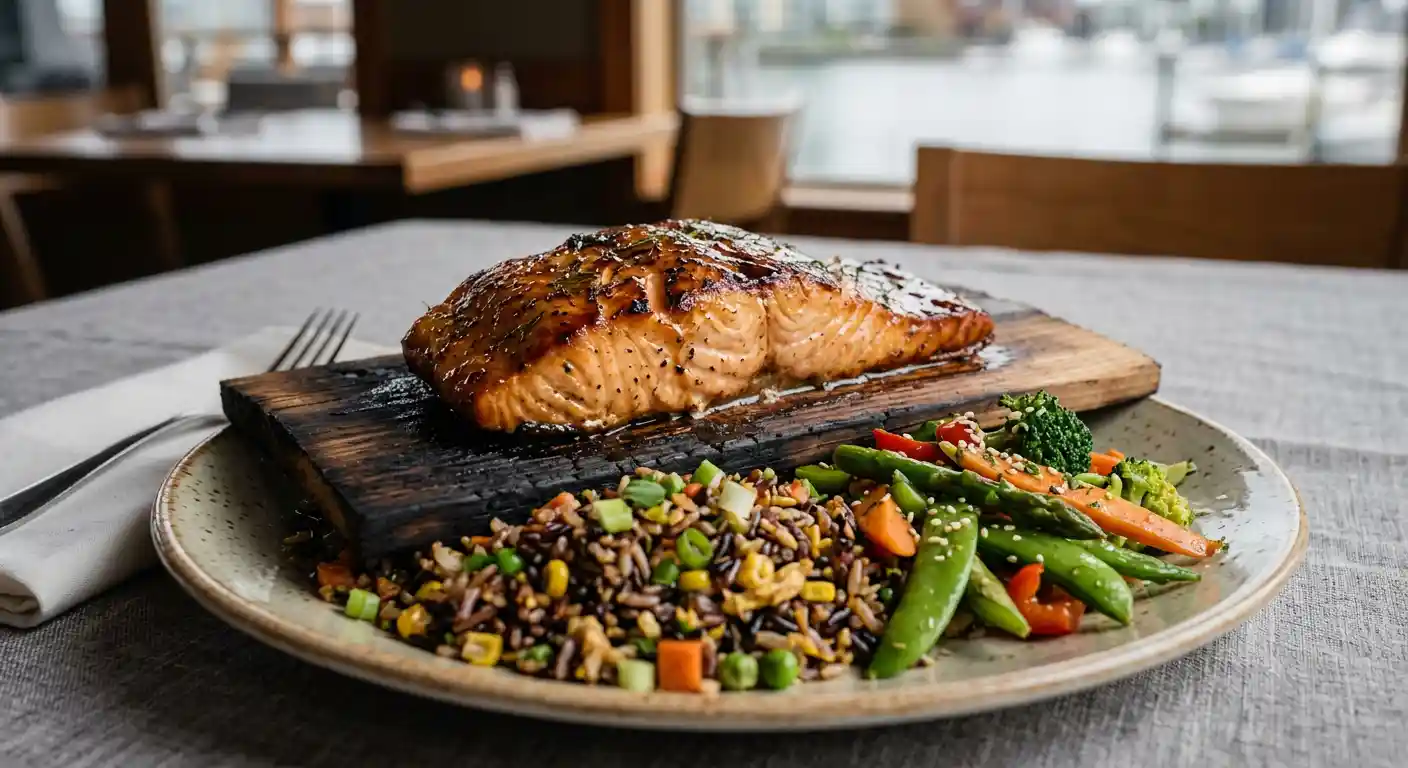
Dassai 45 Junamai Dai-gingjo Recipe
Experience the elegance of Dassai 45 Junmai Dai-Gingjo, a premium sake that embodies the art of Japanese brewing. With its delicate floral aromas and a hint of ripe melon, each sip offers a smooth, refined taste that dances on the palate. Perfectly balanced with a crisp finish, this sake is the ideal companion for any gourmet meal or a luxurious evening of relaxation.
Was this page helpful?
Help improve this recipe for others.
Send this recipe to your inbox.
We'll email it straight to you - plus weekly cooking inspiration.
Ingredients
Some product links may be affiliates. If you buy through them, you're supporting the site and Pekin may earn a commission at no extra cost to you.
Sake Ingredients
Method
Sake Brewing Process
- 1
Prepare the Rice
Rinse the rice under cold water until the water runs clear. Soak the rice in water for about 6-8 hours, then drain.
- 2
Steam the Rice
Steam the soaked rice in a steamer for about 30-40 minutes until cooked and fluffy.
- 3
Prepare the Koji
Spread the steamed rice on a flat surface and allow it to cool to about 30°C. Sprinkle the koji evenly over the rice, mixing gently to distribute.
- 4
Make the Yeast Starter
In a separate bowl, combine the koji rice with water and yeast. Mix well and let it sit for 1-2 days at room temperature until it starts to bubble.
- 5
Combine Ingredients
In a fermentation vessel, combine the remaining water, steamed rice, and the yeast starter. Stir well to incorporate.
- 6
Fermentation
Cover the fermentation vessel with a cloth and let it ferment at a controlled temperature (around 15-20°C) for about 2-3 weeks, stirring daily.
- 7
Pressing the Sake
After fermentation, strain the mixture through a fine cloth to separate the liquid from the solids. This liquid is your sake.
- 8
Pasteurization
Pasteurize the sake by heating it to 65°C for about 15 minutes to kill any unwanted bacteria.
- 9
Bottling
Let the sake cool, then bottle it and store in a cool, dark place. Ideally, let it age for a few months for best flavor.