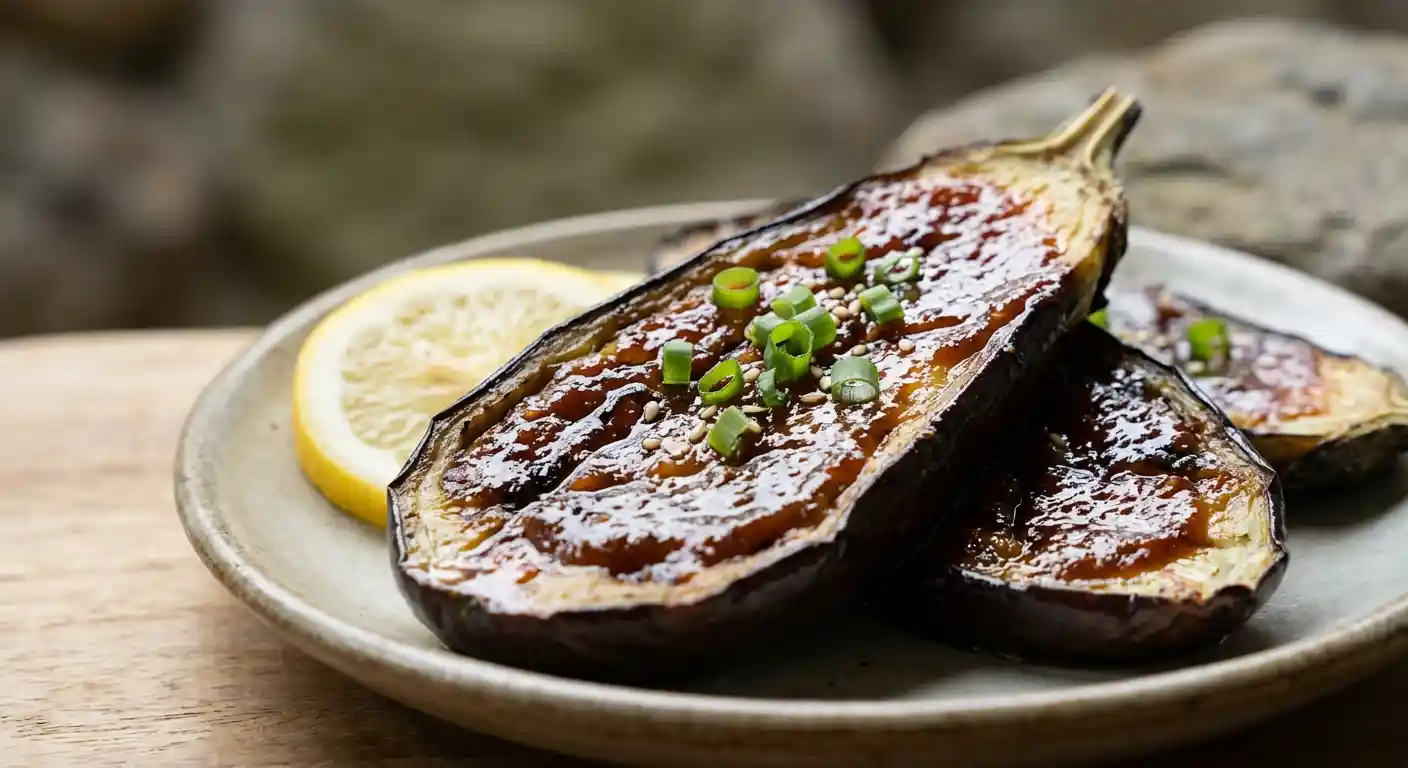
Sake Flight Recipe
Make Sake Flight Recipe in just 40m. Get the full recipe with step-by-step instructions at pekinthechef.com.
Was this page helpful?
Help improve this recipe for others.
Ingredients
Some product links may be affiliates. If you buy through them, you're supporting the site and Pekin may earn a commission at no extra cost to you.
Sakes
Accompaniments & serving
Optional temperature variations
Method
Preparation
- 1
Chill or warm sakes
Decide tasting temperatures: most Junmai, Ginjo, and Daiginjo are best slightly chilled (10–15°C / 50–59°F). Place bottles in an ice bucket or refrigerator at least 30 minutes before serving. If you wish to present a warmed sample (recommended only for some Junmai), gently warm by placing the bottle or a tokkuri (server) in a saucepan of hot water held at 50–55°C for 3–5 minutes; avoid boiling or direct heat.
- 2
Prepare tasting cups: arrange 3 small cups or glasses per guest on a tray or placemat. If using 50 ml pours, each bottle amount above will provide roughly three pours; adjust as needed to fit guest count and pour size.
- 3
Set out accompaniments: place a small bowl of chilled water for palate rinsing, a small plate of edamame or rice crackers for neutral snacking, and tasting note cards next to each set of cups.
- 4
Tasting order & pours
- 5
Choose an order
Serve from lightest/delicate to fullest/richer: typically Daiginjo (most delicate & floral) → Ginjo (fragrant & fruity) → Junmai (deeper, richer). This order helps preserve delicate aromas for early pours.
- 6
Measure pours
Pour approximately 50 ml into each cup (3 pours per bottle with the quantities listed). If you prefer 60 ml pours, adjust expected servings accordingly. Pour gently to avoid splashing and to preserve aromatics.
- 7
Label cups or provide tasting cards indicating which sake is in each cup so tasters can follow the progression and take notes.
Tasting procedure
- 8
- 9
Aroma
Bring the cup to your nose and inhale gently. Note floral, fruity, rice, nutty, or savory aromas. Swirl lightly if desired to open aromas, but avoid vigorous swirling.
- 10
Taste
Take a small sip and let it coat your mouth. Notice sweetness/dryness, acidity, umami, body, and finish. Breathe gently through your nose as you sip to enhance perception of flavors. Rinse palate with water between samples if needed.
- 11
Compare & discuss
After tasting all three in order, compare notes: which had the most aroma, the cleanest finish, the most body, or the most appealing balance? Use the snacks to neutralize the palate between tastings and to highlight pairings.
Service and storage
- 12
If serving more guests, open additional bottles as needed and keep unopened bottles chilled. Once opened, consume within a few days for best aroma; reseal and store in the refrigerator.
- 13
If you warmed any sake and a guest prefers chilled, offer a chilled sample as well. Always communicate the served temperature to guests so they can understand how temperature affects aroma and flavor.