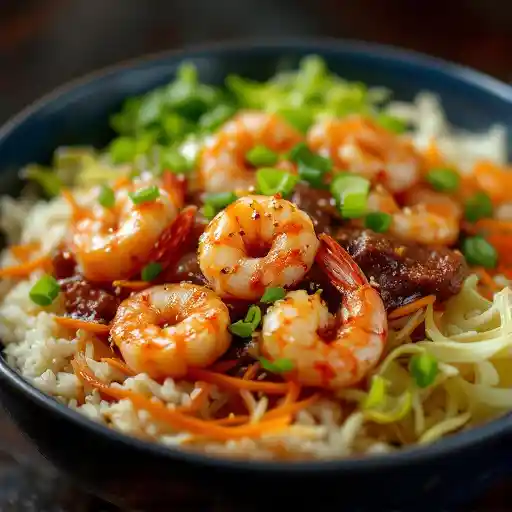
Kurobuta Pork Jowl Recipe
Make Kurobuta Pork Jowl Recipe in just 3h 30m. Get the full recipe with step-by-step instructions at pekinthechef.com.
Was this page helpful?
Help improve this recipe for others.
Send this recipe to your inbox.
We'll email it straight to you - plus weekly cooking inspiration.
Ingredients
Some product links may be affiliates. If you buy through them, you're supporting the site and Pekin may earn a commission at no extra cost to you.
Cured & Braising Pork Jowl
Braising & Finishing Liquid
Finish & Garnish
Method
Cured & Braising Pork Jowl
- 1
Prepare the cure
In a small bowl combine kosher salt, light brown sugar, crushed black peppercorns, crushed juniper, and crumbled bay leaf. Stir until evenly blended.
- 2
Trim and dry
Pat the pork jowl dry with paper towels. Trim any ragged connective tissue but leave a thin layer of fat intact for flavor and texture.
- 3
Apply dry cure
Rub the cure mixture evenly over all surfaces of the pork jowl, pressing it into the meat. Tuck the smashed garlic cloves and thyme sprigs alongside the jowl in a shallow dish.
- 4
Cure in refrigerator
Cover loosely with plastic wrap and refrigerate for 12–24 hours. This short dry cure seasons the jowl and helps develop flavor without fully curing it like guanciale.
- 5
Rinse and rest
After curing, remove jowl from refrigerator. Rinse under cold running water to remove excess surface cure. Pat very dry with paper towels. Let rest at room temperature 20–30 minutes while you assemble braising liquid.
Braising & Finishing Liquid
- 6
Preheat and sear
Preheat oven to 300°F (150°C). In a heavy, ovenproof skillet or Dutch oven over medium-high heat add 2 tsp neutral oil. When shimmering, place jowl fat-side down and sear until deeply golden, 3–5 minutes. Turn and sear the other side 2–3 minutes. Do not fully cook through; aim for color and rendered fat.
- 7
Deglaze
Remove jowl to a plate. Pour white wine into the hot pan to deglaze, scraping up browned bits with a wooden spoon. Let wine reduce by half, about 2–3 minutes.
- 8
Assemble braising liquid
Add chicken stock, soy sauce, mirin, honey, sliced ginger, and halved scallions to the pan. Return the jowl to the pan, fat-side up, and add enough cold water (about 1–2 cups) so the liquid comes halfway up the jowl (do not fully submerge). Bring to a gentle simmer on the stovetop.
- 9
Braise slowly
Cover the Dutch oven and transfer to the preheated oven. Braise until the jowl is tender and a knife inserts with little resistance, about 2 to 2.5 hours. Check at 90 minutes: if liquid is rapidly reducing, add up to 0.5 cup additional stock or water.
- 10
Finish and reduce sauce
When tender, remove jowl to a cutting board and tent with foil to rest for 10 minutes. Strain the braising liquid into a saucepan, skim any fat you want to remove, and simmer uncovered over medium heat until slightly thickened and glossy, about 8–12 minutes. Stir in toasted sesame oil and adjust seasoning with salt, pepper, or a teaspoon more honey or soy if needed.
Finish & Garnish
- 11
Glaze and sear (optional crisp finish)
If you prefer a slightly crisp exterior, heat the skillet used earlier over medium-high heat, add 1 tsp neutral oil, and sear the braised jowl fat-side down for 1–2 minutes to re-crisp the surface. Brush the reduced braising sauce over the jowl to glaze during the last 30–60 seconds.
- 12
Slice and plate
Slice the rested jowl into 1/4–1/2 inch slices across the grain for a mix of meat and rendered fat in each bite. Arrange slices on a warm platter.
- 13
Finish dressing
Whisk together rice vinegar and remaining toasted sesame oil (if any) or 1 tsp neutral oil, taste and season with salt and pepper. Drizzle a small amount over the sliced jowl and spoon reserved reduced sauce around and lightly over the meat.
- 14
Garnish
Scatter finely sliced scallion, toasted sesame seeds, and optional shaved cucumber or pickled daikon alongside the jowl. Serve warm with steamed rice, pickles, or as part of an izakaya-style share plate.