Juneshine Mango Daydream Kombucha Recipe
california, 6.0% 150 cal
Was this page helpful?
Help improve this recipe for others.
Send this recipe to your inbox.
We'll email it straight to you - plus weekly cooking inspiration.
Ingredients
Some product links may be affiliates. If you buy through them, you're supporting the site and Pekin may earn a commission at no extra cost to you.
Tea & Fermentation Base
Flavoring & Secondary (Hardening) Fermentation
Method
Tea & Fermentation Base
- 1
Make the sweet tea
Bring 4 cups of the filtered water to a near boil (about 205°F / 96°C). Remove from heat, add the cane sugar and stir until fully dissolved. Add the 8 black tea bags (or 20 g loose tea) and steep 10–15 minutes for a strong infusion. Remove tea bags or strain leaves.
- 2
Dilute and cool
Transfer the concentrated sweet tea into a clean 1-gallon (3.8 L) glass fermenter. Add the remaining 12 cups of cool filtered water to bring the total to 16 cups (1 gallon). Stir to combine and cool the mixture until it reaches 75–80°F (24–27°C). Cooling to below 85°F (29°C) avoids harming the SCOBY.
- 3
Add starter and SCOBY
Once tea is 75–80°F (24–27°C), pour in 2 cups of raw kombucha starter liquid and gently add the SCOBY to the top of the tea. Cover the fermenter with a tightly woven cloth or paper coffee filter and secure with a rubber band to keep out dust and insects while allowing airflow.
- 4
Primary fermentation
Place the fermenter in a warm (70–80°F / 21–27°C), dark or dim location. Ferment undisturbed for 7–10 days. Taste after day 7 — the liquid should be tangy and slightly sweet. Aim for pH between 3.0–3.5 (optional to measure). When it reaches a balance you like (less sweet, more tang), proceed to flavoring. This stage produces low alcohol; the secondary step builds to ~6% ABV.
Flavoring & Secondary (Hardening) Fermentation
- 5
Prepare mango purée
While the primary is finishing, prepare the mango purée: peel and pit ripe mangoes and blend until very smooth. Measure 3 cups of purée. If your mango is very thick, you may thin slightly with up to 2 tbs water to ease bottling. Stir in 2 tbs fresh lime juice (optional) to balance sweetness.
- 6
Sanitize bottles & equipment
Thoroughly wash and sanitize the 12 oz bottles, caps/closures, a funnel, and a siphon or ladle. Clean, dry hands and work surface to avoid contamination.
- 7
Prepare yeast & priming sugar
For a hard (higher ABV) secondary, dissolve 0.5 cups cane sugar in 1/4 cup warm (not hot) water and allow to cool to ~80°F (27°C). Sprinkle 1/4 tsp champagne yeast into the cooled sugar solution and let it bloom 5–10 minutes until slightly foamy. This delivers fermentable sugars and a robust yeast to raise alcohol to around 5–7% in most conditions.
- 8
Assemble bottles
Add mango purée to bottles: portion the 3 cups mango purée across the 10 bottles (roughly 3 heaping tablespoons or 1/3 cup per bottle). Add about 1 tablespoon of the sugar/yeast mixture (or an equal distributed amount of the dissolved sugar and yeast) to each bottle. This combined fruit + sugar + wine yeast will ferment in bottle and increase ABV and carbonation.
- 9
Transfer kombucha to bottles
Remove the SCOBY from the fermenter and reserve 1–2 cups of kombucha as starter for your next batch. Gently siphon or pour the fermented kombucha into the prepared bottles on top of the mango & sugar mixture, leaving about 1–2 inches (2.5–5 cm) headspace. Leave any large sediment behind in the fermenter.
- 10
Cap and secondary ferment
Seal bottles tightly. Place bottles at room temperature (68–75°F / 20–24°C) out of direct sunlight to undergo secondary fermentation. Check bottles daily for carbonation pressure — gently open one bottle after 2–3 days to test fizziness and flavor. Secondary typically takes 3–7 days to reach good carbonation and to raise alcohol toward ~6% ABV; warmer temps speed fermentation. Be cautious: pressure can build; burp bottles if excessive pressure develops.
- 11
Chill and stop fermentation
When bottles have reached your desired carbonation and flavor (and you're satisfied with alcohol level), refrigerate immediately to slow fermentation and stabilize pressure. Chill for at least 24 hours before serving. Keep refrigerated; consume within several weeks for best flavor and carbonation.
- 12
Serving suggestion
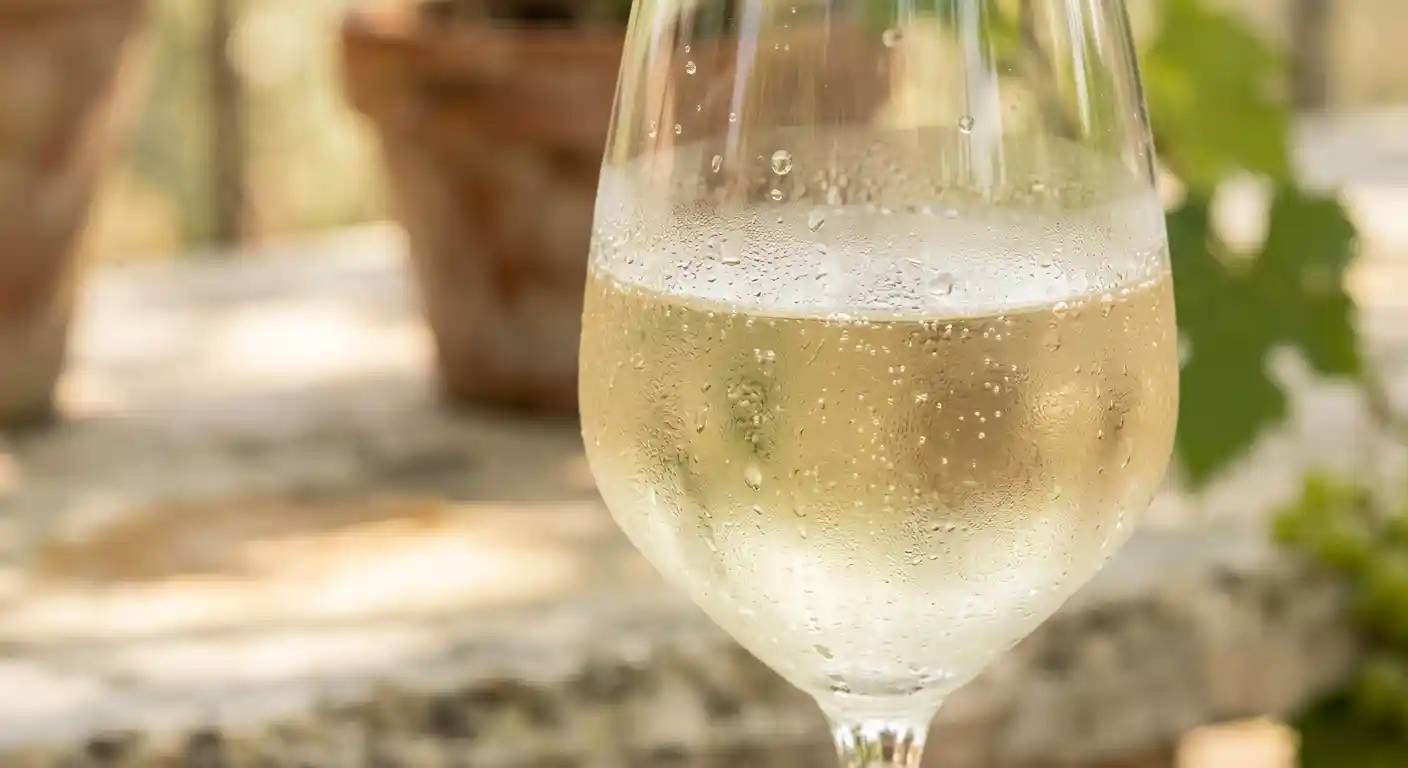
Serve cold (about 40–50°F / 4–10°C) in a glass. Pour gently to leave sediment in bottle if desired. Each 12-oz bottle is approximately one serving.