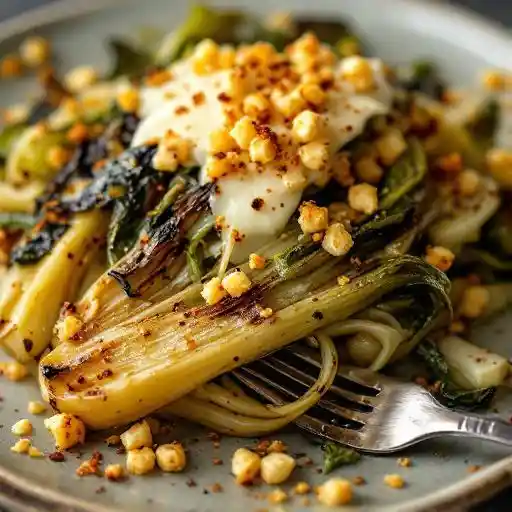
Podere Sebastian Il Van Saliceto Recipe
Make Podere Sebastian Il Van Saliceto Recipe in just 45m. Get the full recipe with step-by-step instructions at pekinthechef.com.
Was this page helpful?
Help improve this recipe for others.
Send this recipe to your inbox.
We'll email it straight to you - plus weekly cooking inspiration.
Ingredients
Some product links may be affiliates. If you buy through them, you're supporting the site and Pekin may earn a commission at no extra cost to you.
Wine Bottle
Serving
Accompaniments (optional)
Method
Preparation
- 1
Chill or open
Check the bottle temperature. If the wine has been stored cool (14–18°C / 57–64°F), serve slightly below room temperature—around 16°C (61°F). If it is too cold, remove from fridge 20–30 minutes before serving. If it is cold cellar temperature (~12°C / 54°F), allow 15–20 minutes to warm slightly.
- 2
Inspect the bottle
Check the capsule, label, and cork for any signs of damage. Hold the bottle up to light to check for sediment (common in unfiltered or older wines). If heavy sediment is present, plan to decant.
- 3
Decanting (optional)
If the wine is young and robust or shows sediment, decant it. Carefully open the bottle, pour slowly into a decanter in a single steady stream, stopping when you see sediment reach the neck. Let the wine breathe in the decanter for 20–60 minutes depending on structure — younger, tannic wines benefit from longer exposure; more delicate bottles need less time.
Serving
- 4
Glassware
Use a large-bowled red wine glass (Bordeaux or universal). Ensure glasses are clean and free of detergent residue which can mask aromas. Place one glass per guest and one extra if tasting and sharing.
- 5
Pouring
If decanted, swirl the decanter gently before pouring. Pour approximately 120–150 ml (4–5 fl oz) per glass to allow room to swirl and smell the wine. If not decanted, pour directly from the bottle in the same amount. Wipe the bottle lip after each pour to avoid drips.
- 6
Presentation and tasting order
Present the label to guests briefly (vintage, producer). Encourage a tasting sequence: look (observe color and clarity), swirl (release aromas), smell (identify primary/secondary notes), sip (assess acidity, tannin, body), and finish (length and aftertaste). Offer water to cleanse the palate between tastings.
Accompaniments (optional)
- 7
Arrange cheeses, cured meats, bread, olives, and fruit on a board. Serve cheeses at room temperature (remove from fridge 20–30 minutes before service) to allow aromatics to express. Pair stronger, saltier items with the wine to balance tannins and acidity. Replenish water and bread as needed.
Storage after opening
- 8
If there is leftover wine, reseal with the original cork or a wine stopper and store upright in the refrigerator. Consume within 3–5 days for optimal freshness; tannic structure may soften but fruit will fade over time.