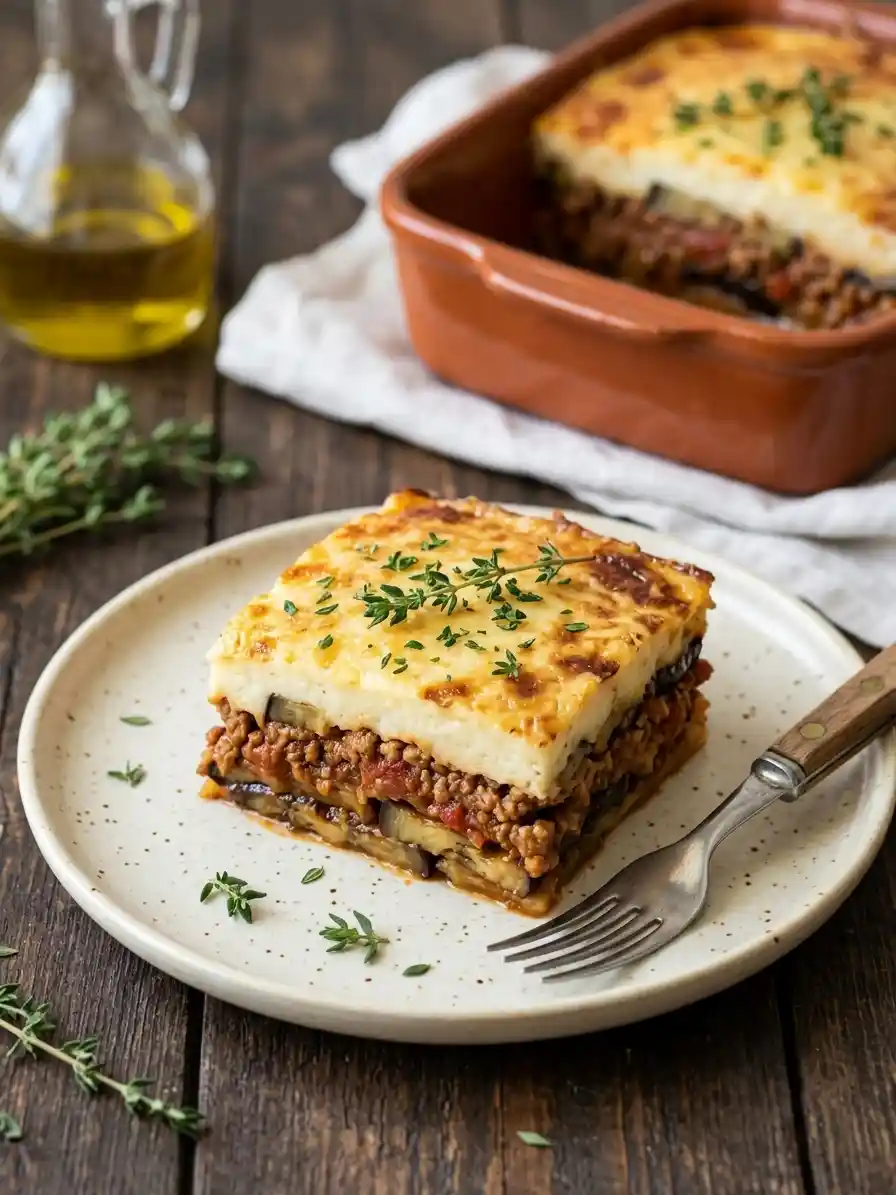
Roasted Vegetables Recipe
Burnt onion vinaigrette.
Was this page helpful?
Help improve this recipe for others.
Send this recipe to your inbox.
We'll email it straight to you - plus weekly cooking inspiration.
Ingredients
Some product links may be affiliates. If you buy through them, you're supporting the site and Pekin may earn a commission at no extra cost to you.
Roasted Vegetables
Burnt Onion Vinaigrette
Method
Roasted Vegetables
- 1
Prep vegetables
Preheat oven to 425°F (220°C). Wash and peel carrots if desired and cut into 1/2-inch thick sticks. Halve or quarter baby potatoes to about 1- to 1½-inch pieces. Core and slice red bell pepper into 1-inch pieces. Slice zucchini into 1/2-inch rounds or half-moons. Cut red onion into wedges about 1/2- to 3/4-inch thick.
- 2
In a large bowl, toss carrots, potatoes, red pepper, zucchini, and red onion with 3 tablespoons olive oil, 1 teaspoon salt, 1 teaspoon freshly ground black pepper, and 1 tablespoon fresh thyme leaves (if using). Make sure vegetables are evenly coated.
- 3
Arrange vegetables in a single layer on a large rimmed baking sheet (use two sheets if needed to avoid crowding). Spread them so pieces are not stacked — this promotes browning.
- 4
- 5
If you want slightly more caramelization, increase oven to 450°F (230°C) for the last 5 minutes, watching closely to avoid burning. Remove from oven and let rest while you make the vinaigrette.
Burnt Onion Vinaigrette
- 6
- 7
Cook the onion, stirring occasionally, until it becomes deeply browned and some edges are darkened — this is the 'burnt' flavor — about 12–18 minutes. Reduce heat if the onion begins to blacken too quickly; you want deep brown color and a slightly smoky flavor rather than acrid char. A few darker flecks are fine and contribute to the vinaigrette's character.
- 8
Toward the end of cooking, add the smashed garlic clove and cook 1 minute until fragrant. Remove skillet from heat.
- 9
Carefully transfer the hot onion and garlic, plus any oil in the pan, to a blender or tall jar for an immersion blender. Add 3 tablespoons red wine vinegar, 1 teaspoon Dijon mustard, 1 teaspoon honey or maple syrup, 2 tablespoons hot water, 1 teaspoon salt, and 1/2 teaspoon black pepper.
- 10
Blend until smooth and emulsified, tasting and adjusting seasoning. If the vinaigrette is too thick, add up to 1–2 tablespoons more hot water to reach desired pourable consistency.
- 11
Let the vinaigrette cool slightly to room temperature. If desired, strain through a fine-mesh sieve for a clearer vinaigrette, pressing solids to extract flavor; otherwise use as-is for a rustic, textured vinaigrette.
- 12
Finish & Serve
- 13
Transfer roasted vegetables to a serving bowl while still warm. Drizzle the burnt onion vinaigrette over the vegetables (start with 3–4 tablespoons and toss to coat). Taste and add more vinaigrette if desired.
- 14
Garnish with additional fresh thyme leaves or a sprinkle of flaky sea salt. Serve warm or at room temperature.