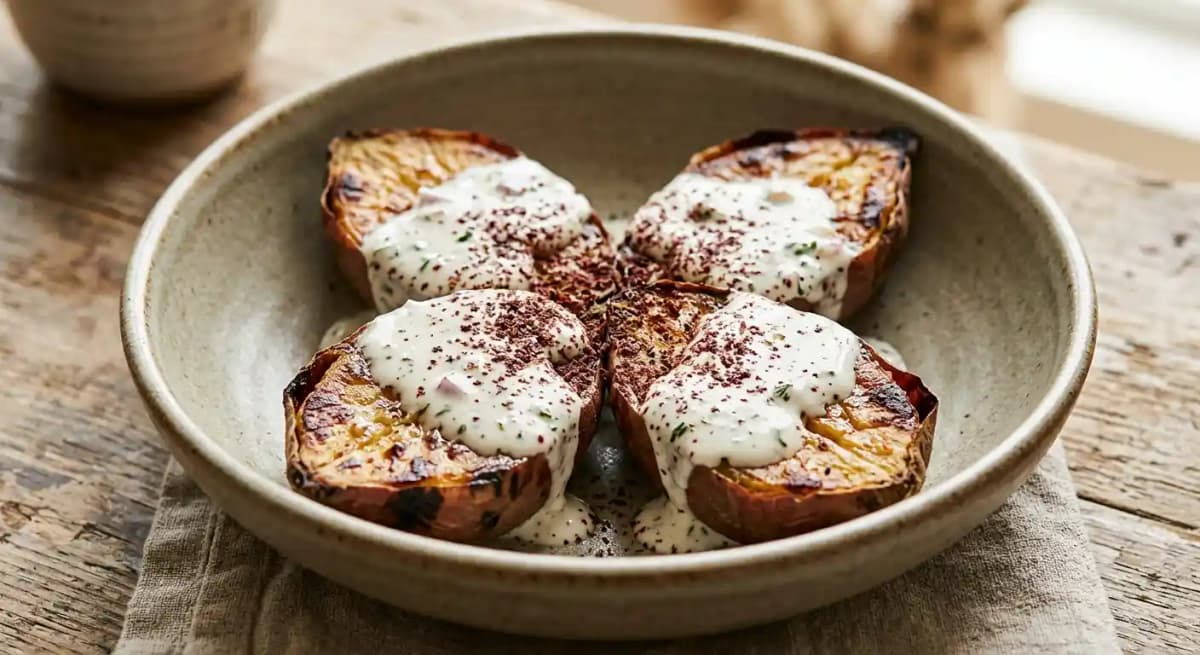
Amara Recipe
Make Amara Recipe in just 24h . Get the full recipe with step-by-step instructions at pekinthechef.com.
Was this page helpful?
Help improve this recipe for others.
Send this recipe to your inbox.
We'll email it straight to you - plus weekly cooking inspiration.
Frequently paired with
The best thing to pair and share with Amara
Ingredients
Some product links may be affiliates. If you buy through them, you're supporting the site and Pekin may earn a commission at no extra cost to you.
Base spirits & sweetener
Bittering & aromatic botanicals
Herbal & floral highlights
Sugar & color balancing
Finishing & dilution
Method
Prep & maceration
Prepare botanicals
Lightly crush hard spices (cardamom pods, cloves) in a mortar or with the back of a spoon to open seeds. Break the cinnamon stick into 2–3 pieces. If any citrus peel is fresh, dry it thoroughly for a day or use zested fresh peel and allow to dry for a few hours.
Primary maceration
Store the jar in a cool, dark place for 7–10 days, shaking once daily. This extracts the core bitter backbone. Taste (dilute a small sample to tasting strength — 1 part extract to 4 parts water) after 5 days to monitor bitterness; continue until the bitter profile is balanced to your preference.
Secondary maceration & aromatic infusion
Add citrus, spices & florals
After the primary maceration, add the dried bitter orange peel (6 g), sweet orange peel (4 g), lemon peel (2 g), 1 cassia/cinnamon stick, 2 cloves, 1 star anise, 3 lightly crushed cardamom pods, and any optional florals/herbs (2 sprigs rosemary, 4 sage leaves, 3 g hops or chamomile, 1 g lavender, 2 g hibiscus) to the same jar.
Secondary infusion
Return the jar to the cool, dark place and macerate for an additional 4–7 days, shaking daily. Taste every 2–3 days. The florals and citrus will add brightness; remove earlier (3–4 days) if they become too dominant.
Filtration & sweetening
Coarse filtration
When the maceration reaches the desired balance, strain the liquid through a fine-mesh sieve into a clean container to remove larger solids. Press gently on solids to extract spirit but avoid forcing fine particulates through.
Fine filtration
Filter the strained spirit through a coffee filter or several layers of cheesecloth to clarify further. For a very clear finish, use a paper filter or a small funnel with filter paper and change filters as they clog.
Sweeten and color
Warm 150 ml simple syrup (1:1) slightly so it mixes easily. Stir in 25 g muscovado sugar (if using) until dissolved for deeper flavor. Add 15 ml honey and 5 ml caramel to the filtered spirit. Mix thoroughly and taste. Adjust sweetness by adding small amounts of syrup (up to ±50 ml) to reach desired balance; amaros typically finish between 20–35% sugar by volume depending on style.
Dilution to drinking strength
Measure the alcohol strength (if possible). Add filtered water (up to 250 ml) gradually to bring the amaro to desired bottling strength (commonly 28–32% ABV). If you don't have hydrometer equipment, add water in 50 ml increments, tasting after each addition until balance and mouthfeel are right. Keep in mind adding water highlights botanical detail.
Optional brightening
If you want to slightly brighten color and soften any vegetal notes, stir a very small pinch (approximately 0.5 g) of activated carbon into a portion of the amaro (test on 100–200 ml). Let sit for 1–2 hours, then filter through a paper filter to remove carbon. Only use this if necessary — it can strip desirable aromatics.
Resting, final filtration & bottling
Rest
Allow the finished amaro to rest in a sealed bottle for 1–2 weeks in a cool place to let flavors marry and any harsh edges integrate.
Serving suggestions
Serve Amara neat (20–30 ml) as a digestif, over ice, or use as a cocktail ingredient (0.5–1 oz in Negroni-style drinks). Garnish with an orange twist or a sprig of rosemary.