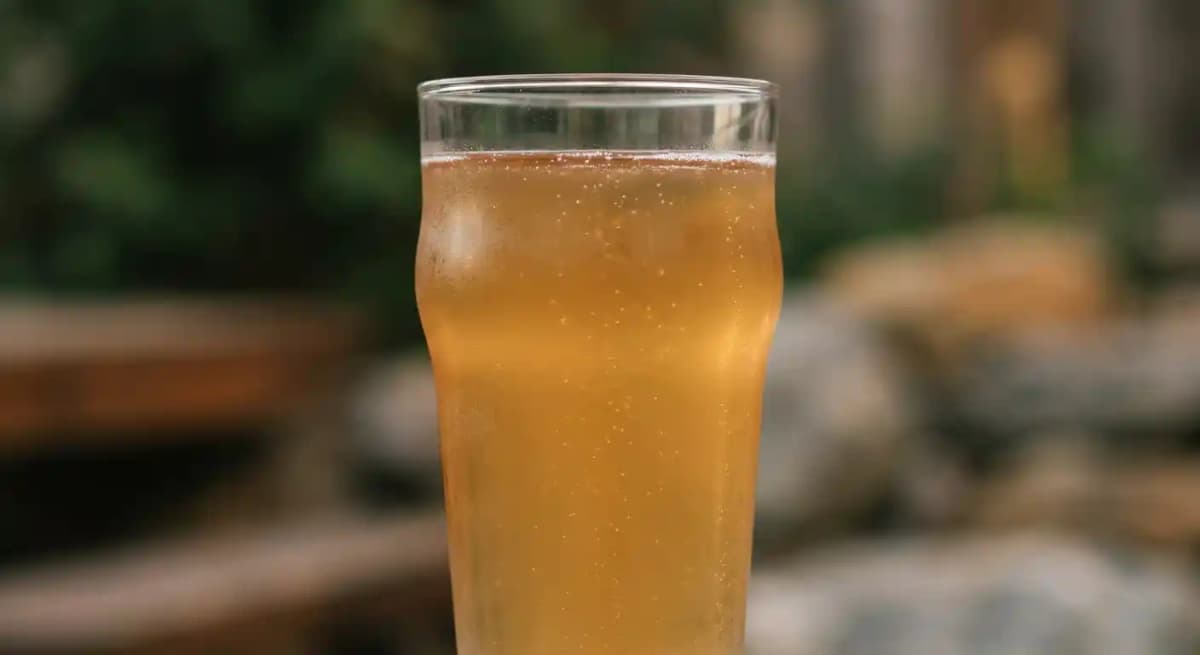
Angry Orchard Cider Recipe
Make Angry Orchard Cider Recipe in just 168h . Get the full recipe with step-by-step instructions at pekinthechef.com.
Was this page helpful?
Help improve this recipe for others.
Send this recipe to your inbox.
We'll email it straight to you - plus weekly cooking inspiration.
Ingredients
Some product links may be affiliates. If you buy through them, you're supporting the site and Pekin may earn a commission at no extra cost to you.
Hard Cider Base
Optional Flavor Additions (to emulate Angry Orchard profile)
Priming / Bottling (for sparkling cider)
Method
Preparation & Sanitation
- 1
Sanitize
Thoroughly clean and sanitize all fermenting equipment: carboy or fermentation bucket, airlock, siphon, spoons, and bottles. Sanitization prevents off-flavors and infection.
- 2
If using a campden tablet to kill wild yeasts and bacteria, crush and dissolve the tablet into the combined cider/water, then wait 24 hours before pitching yeast (this allows sulfur dioxide to dissipate).
Make the Cider Must
- 3
Combine liquids
Pour 2 liters fresh apple cider and 1 liter filtered water into a sanitized large pot or fermenter. Heating is optional; if you heat, do not boil — warm gently to dissolve sugars and release aromas.
- 4
Dissolve sugars and additives
Add 200 g granulated sugar and 50 g brown sugar (if using) to the liquid and stir until fully dissolved. Add 1 tsp acid blend (or citric acid), 1 tsp pectic enzyme, and 1 tsp yeast nutrient. If using oak chips, put them in a sanitized mesh bag and add now. If using fresh ginger or vanilla, add them now as well.
- 5
Cool (if heated)
If you warmed the must, cool it to room temperature (18–22°C / 64–72°F) before proceeding. Hot must will kill the yeast.
Primary Fermentation
- 6
Pitch yeast
If you used a campden tablet, ensure 24 hours have passed. Rehydrate champagne or cider yeast per packet instructions, then pitch into the must. Seal the fermenter with an airlock.
- 7
Place the fermenter in a cool, dark spot at 16–20°C (60–68°F) for a clean, slightly fruity profile. Fermentation should begin in 24–72 hours (visible bubbling in the airlock or krausen in the bucket).
- 8
Allow primary fermentation to continue for 1–2 weeks until vigorous bubbling slows significantly and gravity readings (if available) indicate fermentation has mostly finished (around 1.000–1.010 for semi-sweet to dry ciders, depending on your starting gravity).
Secondary Conditioning
- 9
Rack to secondary
Carefully siphon the cider off the lees into a sanitized secondary carboy, leaving sediment behind. This reduces yeast autolysis flavors and clarifies the cider.
- 10
Condition in secondary for 2–4 weeks at cool cellar temperatures (10–15°C / 50–59°F) to develop flavor and clarity. Taste periodically; if you used oak, vanilla, or ginger, monitor until desired intensity is reached (remove flavoring bag/vanilla when appropriate).
Bottling and Carbonation
- 11
Prepare priming sugar
Dissolve 60 g corn sugar in a small amount of boiling water, cool, and add to the sanitized bottling bucket. Rack the cider gently onto the priming solution to ensure even distribution.
- 12
- 13
Alternatively, for still cider, skip priming sugar and bottle after stabilizing (sulfites or sorbate) to prevent refermentation.
Aging & Serving
- 14
- 15
Taste note: This recipe aims for a bright, slightly sweet apple character with subtle spice, oak, and vanilla suggestions to approximate a commercial-style 'Angry Orchard' profile. Adjust sugar, yeast choice, and aging to shift sweetness, dryness, and aroma.